
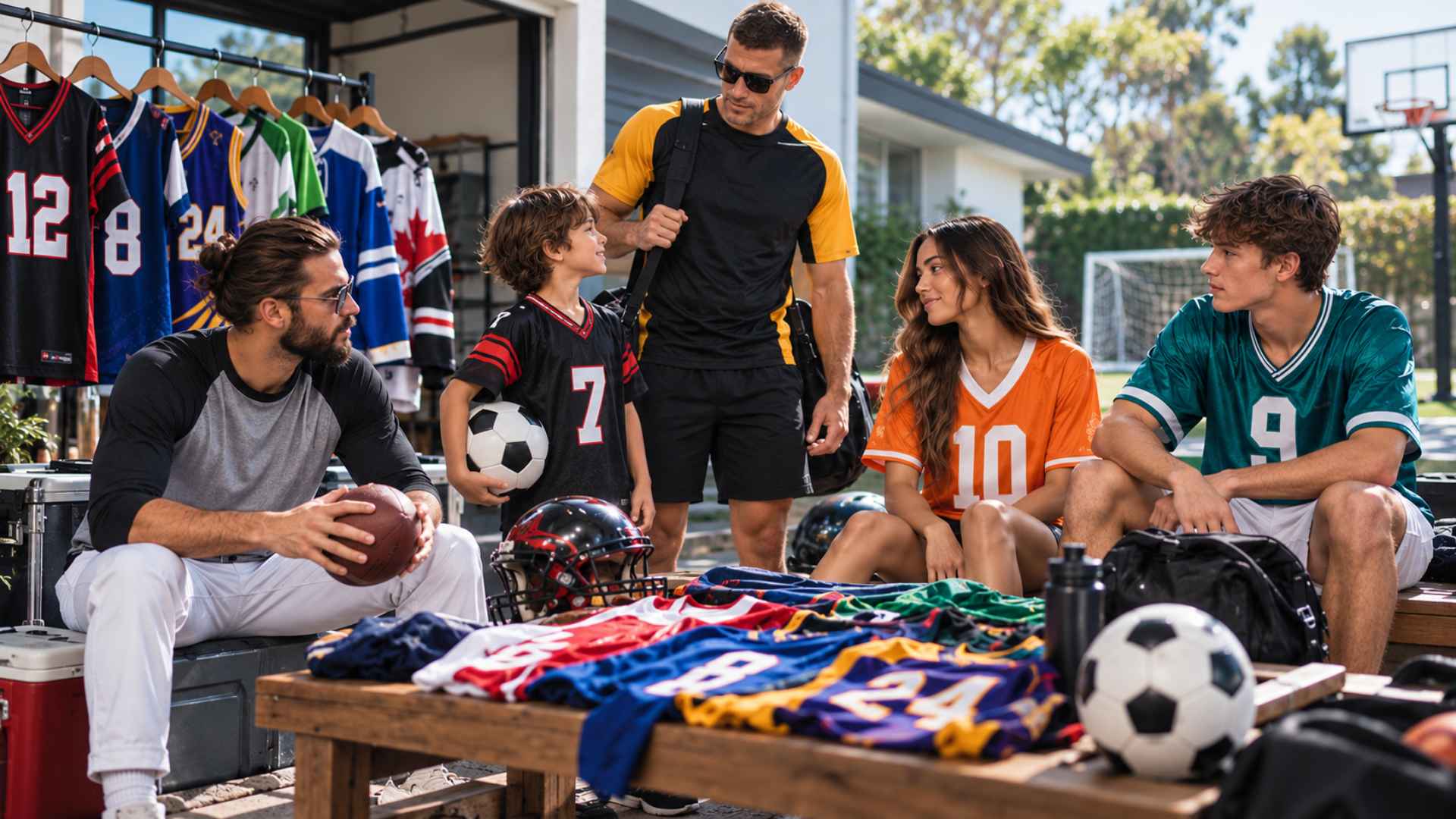
Sports have always been more than a competition between talented athletes. They represent passion, loyalty, identity, and the shared experiences that bring people together. From crowded stadiums to neighborhood playing fields, fans and players use clothing to express their connection to a team, a city, or a nation. Among the many symbols associated with athletic culture, jerseys hold a special place because they represent both sporting achievement and personal memories. Over the years, these garments have become powerful reminders of unforgettable matches, legendary athletes, and historic victories that continue to inspire new generations.
The lasting legacy of sports jerseys can be seen in the way they connect people across different ages and backgrounds. A parent might proudly wear the same team colors that inspired them during childhood, while their children adopt those colors as part of their own sporting identity. Meanwhile, vintage designs and modern releases continue to attract collectors, dedicated supporters, and fashion enthusiasts. Beyond their practical purpose, sports jerseys have evolved into cultural symbols that preserve sporting history, strengthen community bonds, and reflect changing trends in society.
The Evolution of Sports Jerseys Through Sporting History
The history of sports jerseys reflects the development of organized competition and the growing popularity of professional athletics. In the early days of many sports, uniforms were relatively simple, focusing primarily on helping players distinguish between competing teams. As professional leagues expanded and sporting events attracted larger audiences, jerseys gradually developed recognizable colors, patterns, numbers, and team emblems. Advances in fabric technology also improved comfort, durability, and performance, allowing athletes to move more freely during demanding competitions. These changes transformed the sports jersey from a basic uniform into an essential part of a team’s visual identity.
As broadcasting and international sporting events became more widespread, team uniforms gained visibility far beyond stadiums. Supporters could identify their favorite athletes through distinctive designs, even when watching matches from another country. Sponsors, manufacturers, and professional organizations also influenced jersey development, introducing new materials and design elements that reflected commercial growth. Despite these changes, traditional colors and historical symbols remained important to many teams. This balance between innovation and heritage explains why certain jersey designs continue to hold emotional significance long after the original players have retired.
Sports Jerseys as Symbols of Identity and Belonging
For many supporters, wearing a sports jersey is a meaningful expression of identity rather than a simple clothing choice. Team colors can communicate loyalty, pride, and a sense of belonging to a larger community. Whether someone supports a local football club, follows a basketball franchise, or cheers for a national team, a jersey offers a visible connection to something they value. During major tournaments, thousands of supporters wearing matching colors can create an atmosphere of unity that transcends differences in age, profession, and background. This shared identity helps explain why sports jerseys remain powerful symbols in everyday life.
How Jerseys Preserve Memories Across Generations
Sports jerseys often become personal keepsakes because they are associated with important moments and relationships. A shirt purchased after a championship victory, received as a birthday present, or worn during a memorable live match can carry sentimental value for decades. Families sometimes pass these items from one generation to another, sharing the stories behind particular players, seasons, and competitions. Through these experiences, jerseys help younger fans understand the sporting traditions that shaped their families. Their value comes not only from the fabric or design but also from the memories and emotions attached to them.
The Emotional Connection Between Fans and Their Teams
The relationship between fans and their jerseys frequently develops through years of shared excitement, disappointment, and hope. Supporters may continue wearing a particular shirt because it reminds them of a favorite athlete or a season that changed their perspective on sport. Even when a team experiences difficult periods, its colors can represent unwavering loyalty. These emotional connections are especially meaningful when fans attend games with friends or family members, creating memories that become part of their personal histories. As a result, sports jerseys often function as wearable reminders of experiences that extend far beyond the final score.
Vintage Sports Jerseys and the Value of Nostalgia
Vintage sports jerseys have gained attention among collectors and fashion enthusiasts because they preserve distinctive designs from earlier sporting eras. Older shirts may feature classic crests, memorable player numbers, traditional colors, or manufacturing details that are less common in contemporary releases. For longtime supporters, these characteristics can bring back memories of historic competitions and celebrated athletes. Younger generations may appreciate vintage jerseys for their retro appearance and connection to sporting heritage. This combination of nostalgia, design, and historical significance has helped establish vintage sportswear as a lasting part of both collecting culture and casual fashion.
Modern Jersey Design and Changing Fashion Trends
Contemporary sports jerseys demonstrate how athletic clothing can adapt to new technologies and changing consumer preferences without losing its connection to tradition. Lightweight fabrics, improved ventilation, and performance focused construction help athletes compete more comfortably, while bold graphics and creative patterns appeal to modern audiences. Many supporters also wear jerseys outside sporting environments, combining them with jeans, sneakers, and everyday accessories. This crossover between athletics and streetwear has expanded the cultural influence of team apparel. Although designs continue to evolve, recognizable colors, emblems, and numbers remain essential elements that connect modern releases with a team’s established identity.
The Cultural and Commercial Influence of Sports Jerseys
The influence of sports jerseys extends into entertainment, retail, collecting, and popular culture. Professional teams and sportswear brands release different versions to appeal to athletes, casual supporters, and dedicated collectors. Limited editions, anniversary designs, and shirts associated with famous sporting moments can attract particular interest because they connect commercial products with meaningful events. At the same time, jerseys worn by influential athletes may become recognizable fashion statements beyond the sporting world. Their presence in music, film, social media, and streetwear demonstrates how athletic identity can shape broader cultural trends. However, the appeal of a jersey often remains strongest when its design reflects an authentic connection to a team and its history.
Looking ahead, sports jerseys are likely to retain their significance as both functional garments and symbols of shared heritage. Sustainable materials, more personalized designs, and technological improvements may influence future releases, while classic colors and historic emblems continue to preserve continuity. Fans will still have opportunities to celebrate current achievements, collect meaningful memorabilia, and introduce younger relatives to the teams they love. Whether displayed in a collection, worn in a stadium, or passed down as a treasured possession, each jersey can carry a story that connects different generations. Ultimately, the lasting legacy of sports jerseys lies in their ability to unite sporting history, personal identity, and cultural expression in a single recognizable garment.