
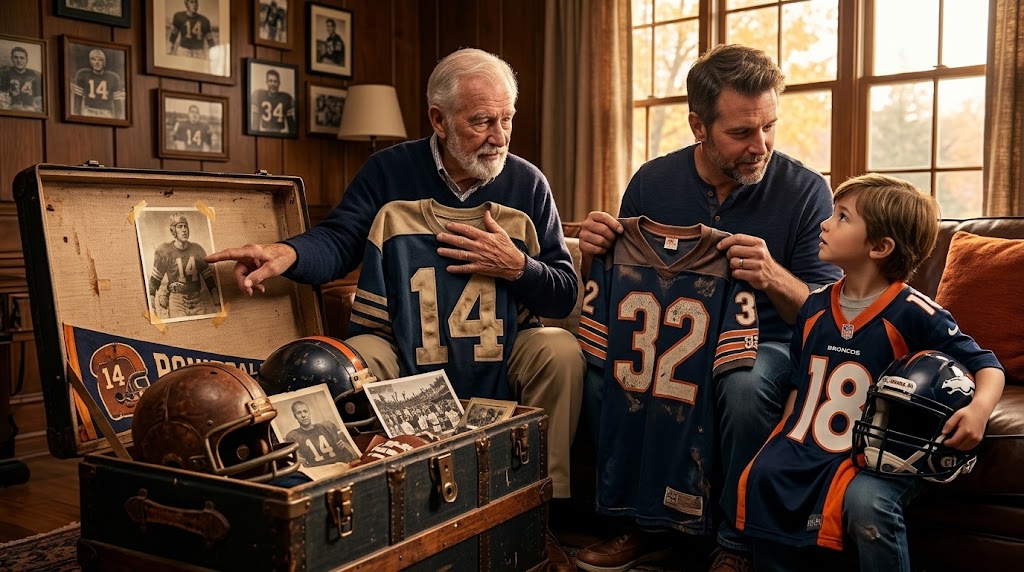
A sports jersey can outlast the season that made someone buy it. It might begin as a birthday gift, a souvenir from a first trip to the stadium, or a last-minute purchase before a playoff game. Years later, the same shirt can bring back the sound of a crowded living room or the person who always claimed the best seat. Fans rarely plan for clothing to become an archive of their lives. It happens gradually, as ordinary afternoons and extraordinary games leave their marks on something they can hold. Small sensory details can bring those scenes back surprisingly quickly.
That helps explain why a faded jersey sometimes matters more than a pristine replacement. Its value is not measured only by the player printed across the shoulders or the price someone paid for it. A teenager may see a shirt from a championship run, while a parent remembers the long drive they took together to watch that game. Different generations can attach different stories to one piece of clothing. When a jersey moves from one closet to another, those stories travel with it, giving a new owner something that cannot be bought separately.
A Jersey Holds More Than a Final Score
The strongest jersey memories are often unrelated to winning. Think of a freezing afternoon when a family stayed until the final whistle, despite a disappointing result. Or a neighborhood watch party where everyone wore the same colors and crowded around a television that was too small. The garment becomes a reminder of the people who showed up, not simply the score. Even a losing season can have a cherished jersey attached to it because friendships grew around weekly rituals. Sports history is usually recorded through statistics, but supporters keep a parallel record made of conversations, journeys, jokes, and shared meals. Sometimes the routine matters more than the result, especially after the people involved have moved away.
How Game Day Traditions Give Clothing a Story
Wearing a particular jersey before kickoff can become as familiar as preparing a favorite meal. Some fans pull on the same number for every home game, while others reserve an older design for meetings with longtime friends. Children notice these habits. They remember which shirt a grandparent wore while teaching them the rules, and which one appeared in every holiday photograph taken during football season. Repetition gives the jersey a place in family life. Eventually, taking it out of a drawer may feel like continuing a tradition, even when the person who started that tradition can no longer join the gathering.
The Details That Make One Jersey Irreplaceable
Two supporters might own jerseys that look identical from across the street, yet only one carries the full story of a particular afternoon. A ticket tucked into a pocket, a handwritten message from a teammate, or a photograph showing the jersey at a childhood game can transform it into a personal keepsake. People sometimes focus on whether an item is rare or valuable in the resale market. For a family, the more important question may be whether anyone remembers where it came from. Small details provide that answer, and they often become easier to appreciate as the years pass.
The Names and Numbers We Remember
A player’s number can serve as a timestamp for a family’s sporting life. A parent may choose a jersey because of an athlete admired during college, then watch a child adopt the same number for an entirely different reason. Athletes change teams, retire, or fade from public conversation, but the memories formed around them remain. This is why replacing an old jersey with the latest roster can feel strange. The older shirt reflects the moment someone became a fan. Its name and number record personal history as clearly as they recall a particular athlete’s time on the field. The choice can make room for both nostalgia and new favorites.
Signs of Wear That Mean Something
Collectors may prefer spotless garments, but families often love the evidence that a jersey was used. A loose stitch might recall years of backyard football. A faded patch may reveal how often someone washed the shirt after wearing it to practice. These marks should not be confused with proof that an item is authentic or historically rare; they simply show that it participated in everyday life. Before repairing an older jersey, it can be worth asking which details matter to its owner. A careful repair may extend its life without erasing every trace of the moments that made it special.
A Team’s Colors in Everyday Life
Jerseys also carry memories outside the stadium. They appear at school events, weekend barbecues, airport departures, and reunions where relatives live in different cities. A familiar set of colors can start conversations between strangers who otherwise have little in common. For people who move away from their hometown, wearing a team jersey may offer an easy way to signal where their loyalties began. Younger relatives sometimes adopt those colors before they understand the team’s record or rivalries. Over time, the jersey can become a small, portable piece of home, especially when family gatherings happen far from the original neighborhood.
Keeping the Memories Alive for the Next Generation
Passing down a jersey takes more than placing it in a box. A short note about who wore it, the year it was purchased, and the games connected to it can preserve information that might otherwise disappear. Those few lines of history may eventually matter more than any price estimate found online. Photographs are useful too, particularly when they show the shirt in everyday settings rather than on a hanger. For older or delicate pieces, clean hands, gentle handling, and dry storage away from direct sunlight can help limit damage. If the jersey is still worn regularly, following its care label is usually better than treating it like a museum exhibit.
Not every inherited jersey has to stay untouched. Some are worn to new games, others are displayed, and a few become the reason younger relatives ask about people they never met. The important part is allowing new memories to sit alongside the old ones. Teams will update their uniforms, and favorite players will change, but that does not make an earlier jersey obsolete. Its meaning comes from the relationships gathered around it. A shirt originally bought to support a team can eventually remind a family of who they were together, one season after another.